
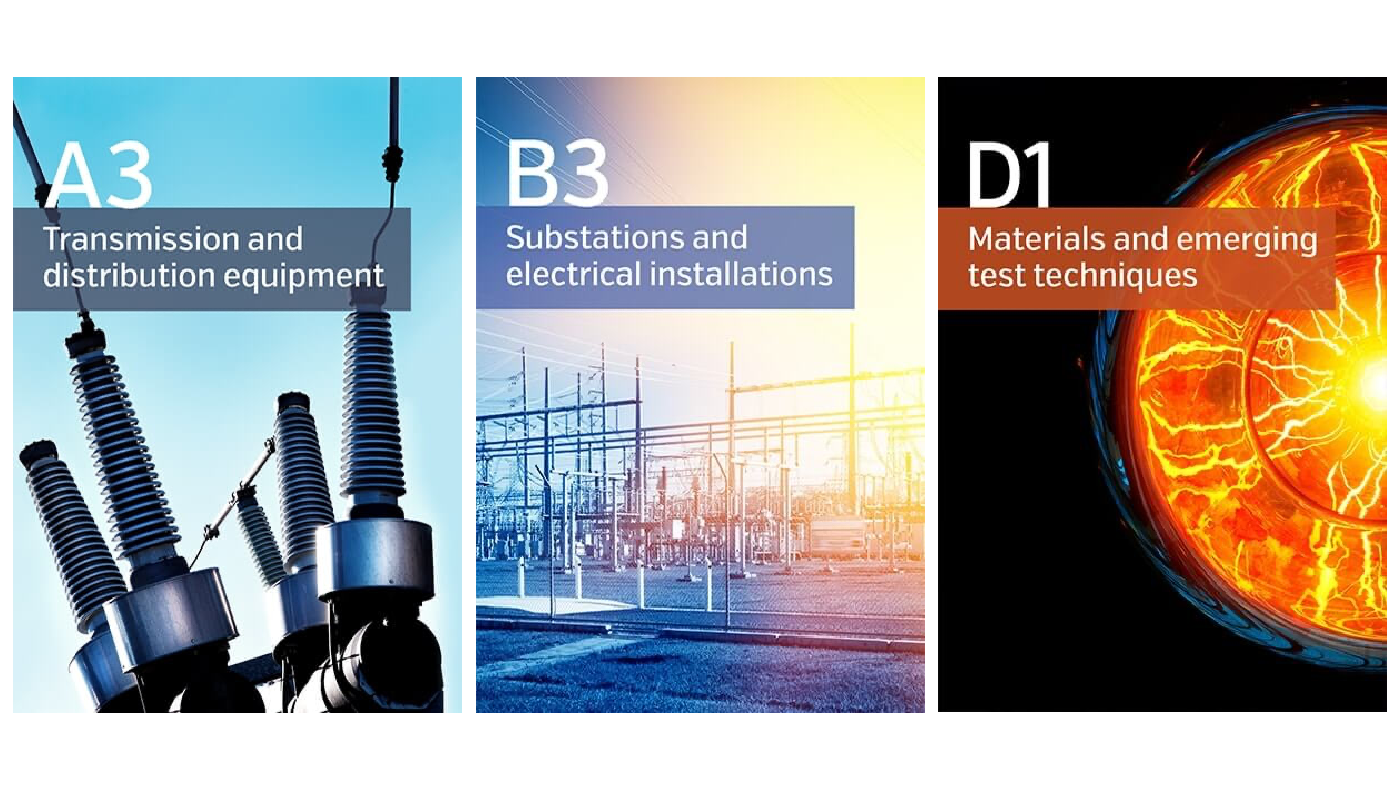
Please join us for the annual CIGRE UK technical liaison meeting of Study Committees A3 (Transmission & Distribution Equipment), B3 (Substations and Electrical Installations), and this year joined by D1 (Materials and Emerging Test Techniques). As well as updates from the UK Regular Members Matthew Iles (A3), Tony Chen (B3) and Thomas Andritsch (D1), there will be presentations on Lifecycle Assessments, Refurbishment, Mobile Substations, Obsolescence and Additive Manufacturing, as well as guest speakers bringing their perspectives on these topics. We aim to bring together these 3 Study Committees to spark discussion from a more diverse audience, offer a wider and fresh range of perspectives and opportunities for cross discipline learning.
There will be interactive sessions with opportunities for the attendees to provide their perspective and insights on these and a wide array of topics. At the end of the day we will collate the feedback from the interactive sessions and bring together any key points that emerge and feed these back to the main Study Committees at the next Paris Session 2026 in August.
Lunch and refreshments will be provided both during and after the event with opportunities for networking, knowledge sharing and socialising. A detailed agenda will be published in due course.
Agenda
10:00-12:00: MORNING SESSION
10:00 | Introduction to the day
10:15 | From Vision to Implementation: A Utility’s View on Digital Substations and T3 Innovation outlook– Mini Nambiar, SSEN Transmission
Digital substations promise a step change in how networks are designed, operated and maintained – but for utilities, the path from ambition to adoption is rarely straightforward. SSEN Transmission share their practical, experience driven perspective on turning the digital substation vision into operational reality across the transmission network in the north of Scotland. Bridging the gap between aspiration and implementation requires not only technological innovation, but also significant investment and a clear strategic direction. This aligns directly with the direction SSEN Transmission is pursuing. With the commencement of the RIIO-T3 regulatory period (2026-31), SSEN Transmission is committed to investing £29 billion into the network, nearly four times the scale of investment made during the previous regulatory cycle. This coming decade presents substantial opportunities, with innovation positioned as a central component in achieving strategic objectives. The presentation outlines the vision for the new regulatory period and SSEN Transmission’s plans to translate this vision into operational success.
10:45 | Net Zero and the Energy System – Truly a systems challenge – Paul Monks, Royce Institute
The presentation will explore the systems challenges of a decarbonising society. It will explore the systems nature of the Net Zero challenge, building out from the basis set by the Climate Change Act. An overview of what has been achieved to date and the challenges moving forward for the energy system will be articulated in the framework of the classical energy trilemma. It will look at areas innovation can take a role in delivering the energy transition.
11:15 | The use of mobile substations to mitigate the impact of substation extensions and asset replacements – Jack Thomas, Bilal Javaid and Tarachand Wankhede, SSEN
The presentation will addresses the significant challenges facing the electrical utility sector, focusing particularly on the replacement of ageing substation grid connection infrastructure. The traditional approach involves extending existing substation compounds to replace assets, which minimises generation disruption but is inefficient in terms of land and construction resources, and is frequently hampered by complex terrain, environmental sensitivity, and planning constraints. In contrast, the innovative deployment of mobile substations is proposed as a more efficient and sustainable alternative. A mobile substation is a pre-assembled, autonomous electrical unit designed for rapid relocation and installation, comprising transformer and both high voltage (HV) and medium voltage (MV) switchgear. While common in emergency scenarios such as natural disasters or conflict, their planned use for scheduled maintenance or asset replacement is rare, especially at higher transmission voltages. The Transmission Operator (TO) opted for a single trailer solution, maximising space efficiency and reducing on-site activities. This necessitated bespoke equipment designs, including hybrid HV switchgear, robust trailers with advanced mobility features, and power transformers optimised for temporary use. The mobile substation also includes an earthing auxiliary transformer for safety and operational flexibility, and MV modules for generation-side connections and integrated protection and control systems. Site setup involves careful planning for laydown area, earthing, electrical and cable connections, and bunding for transformer oil containment to comply with environmental requirements. Commissioning is streamlined, as most components are factory-tested, leaving only essential site testing and configuration. Energisation requires updated operational procedures and safety measures. After use, the mobile substation is stored securely as part of the TO’s strategic fleet, maintained for readiness and reliability. Overall, the mobile substation concept provides a versatile, efficient, and sustainable solution to the pressing infrastructure challenges in the sector.
11:45 | High Voltage Cable Connector Technology and Material Development – Tony Chen & Darren Hodgeman (University of Manchester)
This presentation introduces the outcomes of a collaborative programme between the University of Manchester, Pfisterer and National Grid. It was aimed at accelerating and de-risking high-voltage (HV) cable repairs for the UK’s transmission network. As the UK rapidly expands its offshore wind and renewable generation capacity, the resilience and maintainability of its 400 kV transmission infrastructure become increasingly critical. Cable faults remain time consuming and costly to address, and traditional on site jointing presents challenges, including contamination risk, long repair durations, and the need to maintain diverse spares for legacy cable types. The intercompatible CAble REpair (iCARE) project focused on two parallel innovations. First, the development of a 400 kV ‘Universal’ straight through joint intended for Emergency Return to Service (ERTS). This modular, pluggable system uses pre-manufactured, type-tested joint bodies that can be rapidly connected to prepared cable ends via male-female CONNEX-style interfaces. Compared to conventional permanent joints, the universal joint concept reduces repair time, enables standardised logistics, and eliminates several on-site environmental risks. The second innovation involved the development of an enhanced silicone insulation system optimised for HV repair applications. A comprehensive materials programme assessed multiple fillers for dielectric strength enhancement, alongside evaluations of thermal, mechanical, and processing behaviour. Hexagonal boron nitride (BN) emerged as the most promising additive, delivering significant improvements in dielectric breakdown strength while remaining compatible with industrial scale injection moulding. In parallel, composites exhibiting non-linear electrical resistivity were developed to support field-grading applications—potentially simplifying joint design by mitigating localised electric-field concentrations. Selected formulations were then characterised in depth, demonstrating favourable electrical, thermal, and mechanical properties suitable for the manufacture of prototype components. The results of the iCARE project establish a strong foundation for next generation repair solutions that enhance network reliability, reduce outage durations, and support the evolving operational demands of the UK’s electricity transmission system.
12:15 | Networking lunch
13:30-17:15: AFTERNOON SESSION
13:30 | Regular member updates
14:00 | CIGRE JWG; Guidelines for Life Cycle Assessment in Substations considering the carbon footprint evaluation – Mark Waldron, NGET
The presentation will provide a progress update against the JWG objectives: To evaluate the reduction in carbon footprints in substations where owners and users need to decarbonise their assets. To justify investments and the impact of equipment replacement on substation carbon footprint by comparing existing and renewed or new equipment in substations. To provide comparisons of brownfield and Greenfield solutions. To determine the most technically effective and cost efficient focus as to where to concentrate on decarbonisation measures.
14:20 | Switchgear Refurbishment – Economic and Environmental Benefits– Matthew Iles, NGET
With an increasing focus on the carbon footprint of equipment over its lifecycle there is a question which seems to be seldom asked amongst the community: how can we extend the life of equipment? It is accepted practice to reduce, reuse, recycle, so how can we do this with transmission and distribution equipment? This presentation explores the financial, project and environmental benefits of switchgear refurbishment, summarising and building on the presentation given at the 2025 Symposium in Quebec.
14:40 | Obsolescence of Secondary Systems and the Impact on Primary Equipment – Matthew Iles and Angela PP, NGET
This is a two part presentation co-presented by Angela PP and Matt Iles. Angela will be talking about the scope and progress of Working Group B5.81 which is looking at obsolescence managements of Protection, Automation and Control Systems (PACS). This includes an exploration of what causes obsolescence and how different parties view and can manage this. Matt will be talking about examples of electronic and digital control systems integrated into primary plant control systems, their disparate lifespans and the impacts this can have on the operability and potential useful life of the primary plant. A series of open questions are posed to provoke thought and discussion.
15:10 | Refreshments & Interactive session
15:40 | Additive Manufacturing for the Power Industry – Thomas Andritsch, University of Southampton
Additive manufacturing (AM), also known as Additive Layer Manufacturing (ALM) is the industrial name for 3D printing technology. This is a computer-controlled manufacturing process, which creates 3D objects by subsequent deposition of layers. AM has developed rapidly over the past decade, but there is a lack of relevant work in the field of electrical power engineering, as much of the published work focuses on mechanical, thermal and chemical properties. In contrast to conventional manufacturing methods, such as injection moulding or extrusion moulding, AM deposits a material layer by layer on a build plate. Depending on a number of parameters, such as nozzle size, printing speed, patterning, processing temperature etc. a 3D printed component could have quite a different structure compared to conventional methods, typically leading to voids. Assuming the void formation can be controlled, the use of AM opens a number of radically new design approaches, such as printing layers with different conductivity or permittivity, in order to create more effective field grading materials for HVDC and HVAC applications respectively. A major cost factor for every new component is tooling, which is where AM can drastically reduce the upfront costs for any new design, since the same machine can be used to create a wide range of different designs, with combinations of different materials.
16:10 | Panel/Q&A – Interactive session
17:00 | Summary of the interactive session
17:15 | Networking drinks & Close.
Why Attend
- Stay updated on the latest trends and technological breakthroughs.
- Share your expertise and learn from others in open technical discussions.
- Network with key figures from industry and academia to build professional relationships and potential collaborations.
Meeting Details
📅 Date: Wednseday 6th May 2026 | 10.00 – 17:00
📍 Location: IET Austin Court, 80 Cambridge St, Birmingham, B1 2NP
Registration Fees
There is a modest charge of £25+VAT per person to secure your place to attend. Lunch and refreshments will be provided. There will also be an opportunity to network with attendees at the end of the event over a drink.
Places to Stay
There are numerous hotels, to suit all budgets, within walking distance to Austin Court.
Meeting Compliance
Please note that when registering you will be asked to confirm that you understand CIGRE’s Meeting Compliance Regulations (this is a mandatory requirement). To review a summary of these regulations click the following link:
https://www.cigre.org/userfiles/files/About/CIGRE_Compliance_Regulations_Guidelines.pdf
Speaker Bios

Mini Nambiar is a Technical Innovation Manager with SSEN Transmission (part of SSE Group). She is passionate about innovation and supports the delivery of technical innovations and adoption into business as usual to meet the Network for Net Zero business plan. Before SSE, Mini worked globally in a variety of industries ranging from consumer electronics, electronic manufacturing services, oil and gas and defence sector. She started her career in Taiwan as a Hardware Design Engineer and moved through various engineering roles into project management. Mini holds a BEng (Distinction) in Electrical and Electronics Engineering, along with MSc (Hons) in Subsea Engineering from the University of Aberdeen. She is a Prince 2 practitioner and APM Member. Mini is also an active STEM Ambassador and supports university outreach programmes.
Professor Paul Monks CB is Professor in Atmospheric Chemistry and Earth Observation Science at the University of Leicester. He also serves as the Chair at the British Geological Survey and the Henry Royce Institute, as well as being a non-executive director at the HVMC Manufacturing Technology Centre – Manufacturing Technology Centre. He is a science trustee at the UK Centre for Ecology and Hydrology and a Senior Adviser at Madano. Paul served as the Chief Scientific Advisor (CSA) at the Department of Energy Security and Net Zero (DESNZ) delivering independent and impartial science and engineering advice to ministers and policymakers across the DESNZ policy and delivery portfolio and Clean Energy Superpower Mission. As CSA he advised on a wide range of topics including Critical Minerals, Nuclear Fission and Fusion, Climate Change, CCS, Energy systems and GGR as well as setting up a Science and Technology Advisory Council.
Jack Thomas is a Civil Project Engineer with experience across the Transmission and Nuclear sectors, combining contractor-side site expertise with client-side design experience. Jack began career as a Site Engineer with a major contractor, delivering Nuclear Class 1 works at Sellafield and M.O.D. projects in Barrow‑in‑Furness on the Trident submarine programme, operating within highly regulated and secure environments. Jack transitioned into design roles within a Transmission client organisation, contributing to a wide range of projects including new‑build overhead lines, refurbishment schemes, VISTA underground cable projects, substation construction, and asset replacement on brownfield sites. Jack experience includes lead and principal designer responsibilities, providing technical leadership, design assurance, and coordination across multidisciplinary teams. Jack has a strong track record in managing interfaces, ensuring design quality, and supporting safe, efficient project delivery from concept through construction.
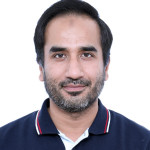
Bilal Javaid is a Senior Substation Engineer at SSEN Transmission with international experience in design and delivery of high-voltage substations and cable systems. He has worked on a wide range of EHV/HV Substation projects, including substation extensions and asset replacement schemes where maintaining network availability and minimising disruption are key challenges. His core expertise lies in primary design engineering and system studies, covering layouts, single line diagrams, equipment specification, and grid compliance for complex networks. Bilal has also been involved in practical application of mobile substations, helping explore their use as a flexible solution to reduce site constraints and improve project efficiency during asset replacement. He is comfortable working across multidisciplinary teams and engaging with clients, contractors, and manufacturers to deliver effective outcomes. His work is driven by a focus on practical, buildable solutions that support a more resilient and adaptable electricity network in line with the UK’s net-zero ambitions.
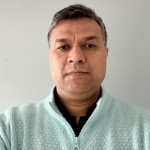
Tarachand Wankhede is an electrical engineering professional with 22 years of experience in EHV transmission systems, delivering solutions across the full asset lifecycle. Tarachand brings 15 years of specialist expertise in GIS plants, spanning manufacturing, installation, commissioning, online maintenance, gas leakage identification, fault resolution, and repair activities. Tarachand also has two years of experience developing technical specifications, including primary plant equipment and corrosion protection requirements, ensuring compliance, reliability, and long‑term asset integrity. Tarachand career includes setting technical direction by embedding standardized designs and promoting innovative solutions that enhance safety, efficiency, and asset performance. Tarachand actively supports digital enablement and enterprise portfolio management initiatives to improve engineering governance and decision‑making. In addition, Tarachand has experience with mobile substations and modular substation solutions, supporting rapid deployment and network resilience.
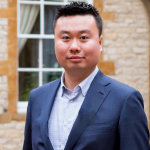
Dr Tony Chen is Reader of High Voltage Engineering at the University of Manchester. His research interests include environmentally friendly replacements for SF6, dynamic cable reliability for floating offshore wind, and insulation systems for transportation electrification applications. He is currently the Chair of the British Standards Institution PEL/42 Committee on Testing Techniques for High Voltages and Currents and the Regular Member for CIGRE UK Study Committee B3 Substations and Electrical Installations.
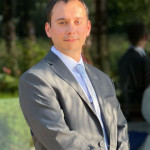
Dr Darren Hodgeman is Research Fellow in high-voltage materials at the University of Manchester. His work focuses on nanoparticle-filled polymers for high-voltage insulation, advancing next-generation solutions for power grid reliability and sustainability. Previously, he spent 10 years as a Senior Materials Scientist at Morgan Advanced Materials, where he specialised in technical ceramics and carbon/carbon composites for demanding engineering applications. He now combines industrial and academic expertise to explore how advanced materials can enhance the performance and durability of electrical infrastructure.

Mark Waldron has been employed by National Grid Electricity Transmission (NGET) & its predecessors since 1988. Through his career, he has been involved in many aspects of lifetime management of switchgear and substation equipment, including research and development, specification, assessment, maintenance & monitoring, condition assessment, and end-of-life management. He is presently NGET’s Net Zero Technical Lead with a particular interest in the development and deployment of alternatives to SF6 for use in HV equipment and related legislative and environmental topics. He has been active in CIGRE and IEC for more than 30 years, including having Chaired Study Committee A3 (High Voltage Equipment), the CIGRE global Technical Council, and presently chairing IEC TC17 for HV Switchgear. He is an honorary member of CIGRE and in 2020 received the CIGRE medal.
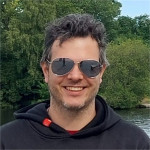
Matthew Iles joined National Grid in 2008 on the Foundation Degree scheme, after which he moved into the Policy team responsible for Type Registration and specifications for switchgear at all voltages between 11kV and 400kV, leading in circuit breakers, disconnectors, earth switches and surge arresters, both AIS and GIS. In 2018 Matthew moved into a field support role, resolving issues found during maintenance and failure support, conducting incident investigations, determining risk of failure and recommending risk mitigation, developing solutions to equipment design issues and managing equipment modification programs. Matthew supports National Grids refurbishment centers by developing refurbishment specifications and strategies, providing support and assurance for refurbishment activities, and signing off modifications or design changes. With a technical and practical background in switchgear Matthew provides technical assurance and guidance as a subject matter expert across National Grid, including supporting projects. In Cigre Matthew is currently the UK regular member for A3, a member of A3.48 and the A3 Utility Advisory Board.
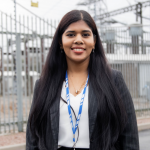
Angela PP is a Lead Asset Lifecycle Engineer with National Grid. She is passionate about combining asset maintenance experience with engineering decision-making and supports the development of asset strategies, type registration, and technology integration to enable effective lifecycle management across the network.
Before National Grid, Angela worked across high-voltage transmission networks in India, in a variety of roles spanning commissioning, operations, and maintenance. She started her career as a Commissioning Engineer at an HV GIS substation and moved through asset maintenance roles at an HVDC terminal station for a considerable period before transitioning into asset management at a portfolio level.
Angela holds a BEng in Electronics & Communications Engineering and brings over 15 years of experience in the power transmission sector. She is an active CIGRE member and contributes to B5.81 WG and CIGRE Women in Energy.
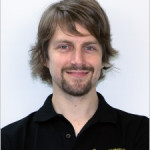
Thomas Andritsch is currently an Associate Professor in the Electrical Power Engineering research group at the University of Southampton, which he joined in 2013, and part of the management team of the Tony Davies High Voltage Laboratory. Prior he worked at the HV laboratory at Delft University of Technology, where he completed his PhD in 2010. His research focus is on new and emergent insulation materials and their potential use in HV engineering. He has been active in CIGRE working groups D1.40, D1.73 and B1/D1.75, and is convener of D1.82. He is also a Senior Member of the IEEE, and serves as Associate Editor for the IEEE Transactions on Dielectrics and Electrical Insulation.